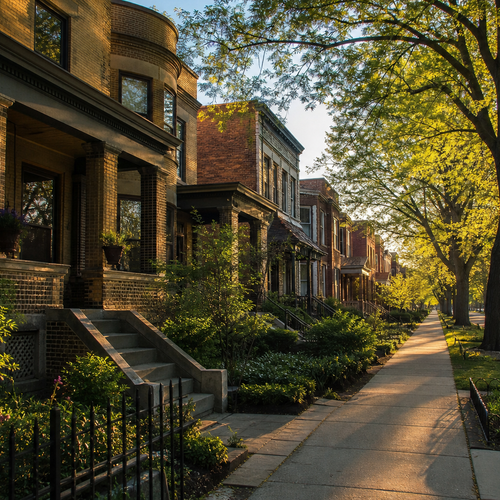



Preparing a Lincoln Park home for sale means fixing real condition issues, decluttering, staging key rooms, and photographing well, not renovating everything. Strategic prep protects your return; over-improving beyond your competitive set rarely pays back dollar for dollar.
How should I prepare my Lincoln Park home to get the highest sale price?
Preparing a Lincoln Park home for sale means addressing real condition issues, decluttering, staging key rooms, and presenting the property with great photography, not renovating everything in sight. The goal is to remove buyer objections and make the home easy to understand and want, without spending money on improvements that won't change what buyers offer.
Key Takeaways
- Recent local market data shows Lincoln Park's median sale price is $865,000, with homes selling in a median of 39 days, buyers at this price point have high expectations for condition and presentation.
- According to NAR's 2025 Profile of Home Staging, 49% of sellers' agents observed that staging reduced time on market, but staging is not a guarantee for any individual property.
- Chicago-area homes went under contract in a median of 35 days in July 2026, well ahead of the national median of 57 days, so a well-prepared home here moves fast.
- Over-improving beyond your immediate competitive set, same property type, size, and renovation level, rarely comes back dollar for dollar.
- For condos, confirm association rules, alteration requirements, and any planned building work before spending a dollar on prep.
What does strategic prep actually look like in Lincoln Park?
Lincoln Park is not one kind of home. It's high-rise condominiums, vintage walk-ups, greystones, row houses, townhomes, and detached single-families, sometimes on the same block. The right preparation for a 700-square-foot condo on Clark Street looks nothing like the right preparation for a four-bedroom graystone on Burling. That's the first thing I work through with every seller.
The question I always start with is this: will this change how buyers perceive the property enough to justify the money, effort, or delay? That's a much better question than "what should we update?"
Start with condition, not cosmetics
Before anything else, walk the property and separate what's broken from what's just dated. Safety issues, water intrusion, and obvious deferred maintenance need to be addressed. Everything else is a conversation.
Here's the sequence I use with my sellers:
- Identify any safety or water-intrusion issues and fix them first.
- Correct deferred maintenance, sticky doors, dripping faucets, cracked caulk, burned-out fixtures.
- Declutter and depersonalize. Remove excess furniture. Clear counters. Edit closets.
- Complete targeted cosmetic work where it genuinely changes perception.
- Stage key rooms, living room, primary bedroom, kitchen.
- Photograph only after all of this is done.
- Then list.
That order matters. A lot of sellers want to jump to paint colors and furniture arrangements before the leaky faucet under the kitchen sink is fixed. Buyers notice both, but one is a negotiating chip and the other is just noise.
What actually moves the needle on perception
Deep cleaning. Removal of excess furniture. Repair of damaged surfaces. Refreshed lighting. Clean windows. Odor control. A well-presented entry. And professionally edited listing photography that makes the space feel as good as it actually is.
These steps improve perceived condition without committing you to a major remodel. According to NAR's 2025 Profile of Home Staging, 29% of sellers' agents reported that staging produced a 1%–10% increase in the dollar value offered, though that reflects agent observations across many markets, not a promise for any one Lincoln Park property.
I'm also thinking about the practical realities that most marketing advice ignores. Where does the dog go during showings? How much notice do you realistically need? When should packing begin, and what can be put away now without making everyday life miserable? A prep plan has to work in your actual life, not just on paper.
Protect what makes Lincoln Park homes worth what they are
In greystones, vintage flats, and older row houses, indiscriminate modernization can actually hurt you. Buyers paying $865,000 and up in Lincoln Park often specifically want the original millwork, ceiling height, masonry, and trim. Covering those details with a generic renovation is not an upgrade, it's a liability.
Improvements should address function and condition while preserving the architectural features that make the property distinctive. If the original hardwood floors are in good shape, refinish them. Don't replace them with something that could have come from anywhere.
For a deeper look at which renovations tend to pay off and which don't, this breakdown of top renovations by return is worth reading before you commit to anything expensive.
How do I know what's worth spending money on, and what isn't?
Compare your property to recent, similar Lincoln Park listings before authorizing any expensive work. Same property type, approximate size, parking situation, outdoor space, renovation level, and building amenities. That's your competitive set.
If every comparable home has an updated kitchen and yours doesn't, that's a buyer objection worth addressing, or at minimum worth pricing around. If every comparable home has a dated kitchen and yours does too, you're not behind; you're just in the market.
A seller should not spend $10,000 solving a problem buyers would have overlooked, or spend three weekends doing something that won't materially affect the sale. Preparation should be strategic. The goal is not to renovate the house, it's to remove the objections that slow buyers down or lower their offers.
According to Realtor.com's July 2026 Chicago market report, Chicago-area homes were going under contract in a median of 35 days, compared with 57 days nationally. That pace rewards homes that are ready on day one, not homes that need two more weeks of work after photos are taken.
A note on condominiums specifically
If you're selling a condo in Lincoln Park, confirm your association rules, alteration requirements, move procedures, elevator reservations, and contractor insurance requirements before spending anything on prep. Some buildings have restrictions that affect what work you can do and when. Planned building assessments or major repairs can also affect showing and closing logistics. These details are building-specific, check with your association or management company directly.
How Lincoln Park compares to nearby areas
Lincoln Park's median sale price and pace sit at the top end of Chicago's North Side neighborhoods. Here's how recent local market data compares across the areas I work in:
| Area | Median Sale Price | Median Days on Market |
|---|---|---|
| Rogers Park | $265,000 | 55 |
| Edgewater | $300,000 | 49 |
| Andersonville | $652,707 | 30 |
| Lincoln Park | $865,000 | 39 |
| Lincoln Square | $699,000 | 58 |
| Ravenswood | $590,000 | 62 |
| Albany Park | $385,000 | 47 |
These are area-level medians from recent local market data (trailing approximately 90 days, as of September 2026). An individual home's value depends on condition, street, build year, floor plan, and timing. But the context matters: at Lincoln Park's price point, buyers have seen a lot of homes and have real options. Presentation is not optional.
Understanding the full cost picture before you list is worth doing early. This post on what it really costs to sell a house in Chicago walks through the categories so you're not surprised at the closing table.
Frequently Asked Questions
What should I fix before selling my Lincoln Park home?
Start with safety issues, water intrusion, and deferred maintenance, these are the things that show up on inspections and give buyers negotiating leverage. After that, focus on visible condition: clean, declutter, repair damaged surfaces, refresh lighting, and address anything that creates a negative first impression. The bar for "must-fix" is higher than most sellers expect; a lot of cosmetic imperfections can be priced around rather than corrected.
Is staging worth it in Lincoln Park, or is decluttering enough?
It depends on the property. Sometimes the most powerful thing staging does is remove things, excess furniture, personal items, visual clutter, and that's really just decluttering with intention. Other times, a vacant or awkwardly furnished space genuinely needs furniture and accessories to help buyers understand how the rooms work. NAR's 2025 staging report found that 49% of sellers' agents observed staging reduced time on market, but the right approach is property-specific. I'll tell you honestly whether you need full staging or whether editing and cleaning will do the job.
Should I renovate the kitchen before listing my Lincoln Park condo?
Not automatically. The right answer depends on what comparable condos in your building and nearby buildings look like. If your kitchen is functionally sound but dated and every competing listing has been updated, that's worth addressing, or pricing around. If the competitive set is similarly dated, a full renovation is unlikely to come back dollar for dollar. A targeted refresh (hardware, paint, lighting) often does more for perception than a gut renovation, at a fraction of the cost and delay.
How much should I spend preparing my home for sale?
There's no universal number, it depends on your home's current condition, what the competitive set looks like, and how much runway you have before listing. What I tell my sellers is that preparation should be strategic: spend where it changes buyer perception, and skip what buyers would have overlooked anyway. The goal is to remove objections, not to renovate the house. Your specific situation is worth walking through before you commit to anything.
How early should I start preparing my Lincoln Park home for sale?
Earlier than you think. Most sellers underestimate how long decluttering, repairs, and staging coordination actually take, especially when you're living in the home. I recommend starting the conversation at least 60 to 90 days before your target list date, and earlier if the property needs meaningful work. That runway lets you make decisions without pressure and sequence the work correctly, so you're photographing a finished product, not a work in progress.
Should I use neutral paint colors before listing in Lincoln Park?
Fresh, neutral paint is one of the highest-return prep steps you can take, not because buyers love beige, but because it signals that the home has been cared for and makes spaces feel clean and move-in ready. Bold or very dark colors aren't automatically a problem, but if a room reads as tired or dated, a coat of paint is almost always worth it. The goal is to make the space easy for buyers to imagine as their own.
Sellers and buyers both tell me the same thing after the fact: they wish they'd started the conversation earlier. If you're thinking about listing in Lincoln Park, I'm happy to walk through your specific property and give you a honest read on what's worth doing and what isn't.
You can schedule a free, no-obligation consultation here, or if you'd like a starting point on value, get a free home valuation here.
If you'd like to read what other clients have said about working with me, you can find my reviews on Google, Zillow, and Realtor.com.
Equal Housing Opportunity. Stephanie Sullivan is a licensed Managing Broker in Illinois (RENE, SRS, ABR designations), regulated by the Illinois Department of Financial and Professional Regulation. This article is general information only and is not legal, tax, or financial advice. Confirm your own numbers with your closing agent, tax advisor, or lender.
Check out this article next