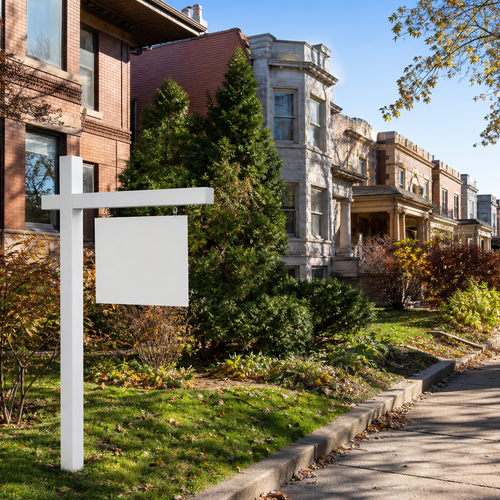


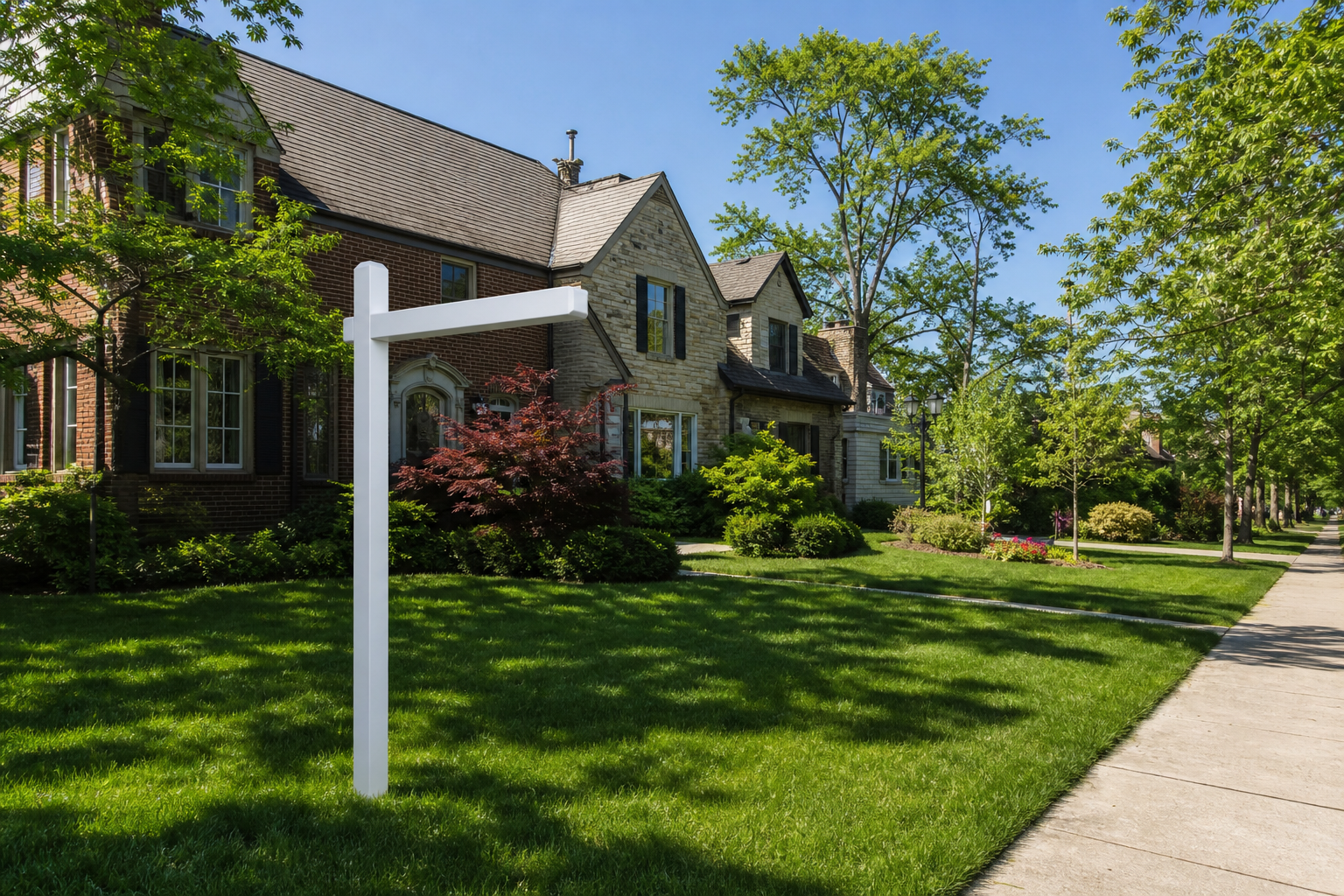
Staging a home for sale in Wilmette works best when it helps buyers understand the space quickly, not when it redesigns the entire house. Focus on decluttering, light, and the rooms buyers see first. Strategic preparation, not renovation, is what moves Wilmette homes faster.
What actually makes staging work when selling a home for sale in Wilmette?
Staging works when it helps buyers understand your home quickly and feel something positive about it. That usually means removing what competes for attention, letting the architecture speak, and making every room feel as light and spacious as it actually is. You don't need a full renovation. You need the right preparation.
Key Takeaways
- Recent local market data shows the median sale price in Wilmette is $1,100,000, with a median of 56 days on market, staging that shortens buyer decision time matters at this price point.
- According to a February 2025 NAR survey, 83% of buyers' agents said staging helped buyers visualize a property as their future home.
- The living room, primary bedroom, and dining room are the most commonly staged rooms, and the ones buyers' agents say matter most.
- Staging is not about redesigning your home. It's about reducing visual competition so buyers can see what they're actually buying.
- You don't need to spend money on every room, a room-by-room walkthrough will tell you where preparation will actually change buyer perception.
If you're getting ready to put a home for sale in Wilmette, staging is one of the highest-leverage things you can do before photos go live. Not because it transforms the house, but because it removes the friction between a buyer walking in and a buyer making an offer.
I've done room-by-room walkthroughs with sellers in Wilmette, Evanston, and across the North Shore for years. The question I always start with isn't "what should we update?" It's: will this change how buyers perceive the property enough to justify the money, effort, or delay? That one question saves sellers a lot of unnecessary spending and stress.
Which rooms should you stage first in a Wilmette home?
Start with the rooms buyers see first and that photograph most often. For most listings, that's the entry, the front-facing living spaces, the kitchen, and the primary suite.
The February 2025 NAR survey found that buyers' agents ranked the living room as the most important room to stage (37%), followed by the primary bedroom (34%) and the kitchen (23%). Those numbers track with what I see in practice. Buyers form an impression fast. If the living room and primary bedroom feel right, the rest of the showing usually goes well.
The living room
Pull out any furniture that makes the room feel smaller or harder to move through. Wilmette homes often have beautifully proportioned living rooms with original millwork, fireplaces, or built-ins. The goal is to let those features read clearly, not compete with too many pieces. A buyer should be able to walk in and immediately understand the scale of the room.
The primary bedroom
Clear the nightstands. Remove the extra chair nobody uses. If the closet is overflowing, edit it before photos, buyers open closets, and a packed closet reads as "not enough storage." The bedroom should feel like a retreat, not a storage solution.
The kitchen
Clear the counters almost entirely. One small appliance, a clean dish towel, maybe a bowl of fruit. That's it. Buyers need to see the counter space, not your collection of small appliances. If your cabinets are dated but functional, don't rush to replace them, a deep clean and new hardware often does more than a full replacement would justify.
The entry and outdoor spaces
First impressions happen before buyers step inside. Clean curb appeal matters more than seasonal decoration. Trim anything blocking windows, clean the front door, and make sure the entry is clear and well-lit. The rear outdoor area and basement are also worth attention, buyers at this price point are evaluating the full property, not just the main floor.
According to the same NAR report, the living room (91%), primary bedroom (83%), and dining room (69%) were the rooms most commonly staged by sellers' agents. That's a useful priority order if you're working through a list and trying to decide where your time and energy go first.
How do you stage without overspending or over-renovating?
This is the question I spend the most time on with sellers. Not every dollar you put into preparation comes back dollar-for-dollar. And I'd rather tell you that upfront than have you spend three weekends and several thousand dollars solving a problem buyers would have overlooked.
The February 2025 NAR staging report found that 49% of sellers' agents observed some reduction in time on market for staged homes, and 29% said staging led to a 1%–10% increase in the dollar value offered. Those are agents' observations, not guarantees, but they do support the case that thoughtful preparation changes buyer perception. What they don't support is spending on things that don't change perception at all.
Here's how I think about it:
- Do this: Declutter every room. Edit open shelving. Clear bathroom counters. Remove personal photographs and excess family items. Consolidate children's toys to one area. These things cost almost nothing and make a real difference in how buyers experience the space.
- Do this: Fix what's obviously broken. A burned-out bulb, a dripping faucet, a door that sticks, these are small things that signal larger neglect to buyers. Take care of them before photos.
- Consider this: A fresh coat of paint in a neutral tone on a room with a very bold or dated color. Paint is one of the few updates that reliably changes buyer perception without a large investment.
- Think carefully before this: Full kitchen or bathroom renovations before listing. At Wilmette's price point, buyers often have their own vision. Over-improving for the neighborhood rarely pays back the way sellers expect. If you're considering a significant renovation before listing, that's a conversation worth having with me before you commit.
For more on which updates actually move the needle, take a look at the renovations most likely to affect your sale price, it's a useful companion to this conversation.
Light is a staging issue
This one gets overlooked constantly. Clean your windows. Replace every burned-out bulb. Use consistent bulb color temperatures throughout the home, mixed warm and cool tones look terrible in photos. Open every curtain and blind before the photographer arrives. Trim any vegetation that's blocking natural light from reaching windows. None of this costs much, and all of it makes a meaningful difference in how bright and spacious your home photographs.
Coordinate staging with photography and showings
Finish all decluttering and repairs before the photographer comes. Keep the same furniture layout through initial showings, buyers who saw photos online are orienting to that layout when they walk in. Build a short daily reset checklist: beds made, counters clear, lights on, window coverings open, pets and pet items out of sight, entry swept. It takes ten minutes when you've set it up in advance. It takes forty-five minutes when you haven't.
I talk through the practical realities with every seller I work with. Where does the dog go during showings? How much notice do you realistically need? When should packing begin? A staging strategy has to work in your actual life, not just in theory.
How does Wilmette's market context affect staging decisions for a home for sale in Wilmette?
At a median sale price of $1,100,000 and a median of 56 days on market, according to recent local market data, Wilmette buyers are making significant decisions and they're taking their time. That means first impressions carry real weight, and homes that photograph and show well tend to attract more serious attention earlier in the process.
Wilmette's housing stock also includes a lot of architecturally distinctive older homes. That's an asset, not a liability, but it needs to be staged thoughtfully. Original millwork, fireplaces, built-ins, and unusually shaped rooms should be highlighted, not hidden. The goal is to help buyers understand the space clearly so the architecture reads as a feature, not a question mark.
Here's how Wilmette compares to other North Shore markets, based on recent local market data:
| Area | Median Sale Price | Median Days on Market |
|---|---|---|
| Evanston | $475,000 | 41 |
| Skokie | $450,000 | 56 |
| Wilmette | $1,100,000 | 56 |
| Morton Grove | $460,000 | 57 |
| Glenview | $710,000 | 61 |
At Wilmette's price point, every detail of the presentation matters more. Buyers touring a $1.1M home are comparing it carefully against everything else they've seen. A home that photographs beautifully, shows clearly, and feels well-maintained starts that comparison from a stronger position.
If you're weighing whether now is the right time to list, this post on selling on the North Shore when rates keep moving is worth reading alongside this one.
Your specific situation, condition, timeline, occupancy, and what the home needs, shapes every staging decision. That's exactly the kind of conversation I have with sellers before we do anything else.
If you've found this helpful, I'd love for you to read what my clients have to say. You can find my reviews on Google, Zillow, and Realtor.com.
Frequently Asked Questions
Do I need to professionally stage my Wilmette home, or can I stage it myself?
You don't always need a professional stager. Many sellers can do a lot of the work themselves, decluttering, editing furniture, clearing counters, and improving lighting. A professional stager makes the most sense when a home is vacant, when the existing furnishings are very dated, or when you want an outside eye on the overall presentation. I help sellers figure out which approach makes sense for their specific home and situation before spending anything.
Which rooms should I stage first before listing a North Shore home?
Start with the living room, primary bedroom, and kitchen, those are the rooms buyers and their agents consistently identify as most important. According to a February 2025 NAR survey, the living room tops the list at 37% of buyers' agents naming it the most critical room to stage. For a Wilmette listing specifically, the entry, rear outdoor area, and basement are also worth attention given the price point.
Should I remove furniture and decor before photographing my Wilmette house?
Yes, less is almost always more in listing photography. Remove excess furniture that makes rooms feel smaller, clear counters and open shelving, and take down most personal photographs and collections. The goal is for the room's dimensions, light, and features to read clearly in photos. Buyers are making decisions about whether to schedule a showing based on those images, so they need to be able to see the space, not the stuff.
Is it better to stage an occupied home or leave it vacant?
An occupied home that's been well-edited and properly staged almost always shows better than a vacant one. Empty rooms are harder for buyers to scale, they can't tell if a sofa fits or whether the bedroom holds a king bed. Vacant homes also tend to show every imperfection in walls and floors. If you're moving before listing and the home will be empty, that's when professional staging or furniture rental is worth a real conversation.
How early should I start staging before professional photography and listing?
Give yourself at least two to three weeks before your target photography date. That's enough time to work through the house room by room, handle any small repairs, arrange any vendors you need, and do a final edit before the photographer arrives. Rushing the preparation is one of the most common mistakes I see, and it usually shows in the listing photos. Starting early also means you're not living in chaos right before launch.
Should I spend money on renovations, repairs, or staging before selling?
Repairs first, then staging, then renovations, in that order of priority. Fix what's obviously broken or deferred, because buyers notice and it affects their confidence in the whole property. Staging preparation (decluttering, painting, lighting) has a strong return on effort. Full renovations before listing are a much harder call, I don't believe every seller needs a renovation project, and I'd rather walk through your specific home before recommending you spend significant money on one.
Staging a home for sale in Wilmette doesn't have to be overwhelming. The sellers who come through it with the least stress are usually the ones who start with a clear plan, focus their energy on what actually changes buyer perception, and don't spend money solving problems buyers would never have noticed. That's exactly what I help sellers do as part of the Stress Less Move Method.
Ready to talk through what your home needs before it hits the market? Schedule a free, no-obligation consultation and we'll walk through it together. Or if you'd like a sense of where your home stands in today's market, get a free home valuation here.
Equal Housing Opportunity. Stephanie Sullivan is licensed in Illinois as a Managing Broker (RENE, SRS, ABR designations) regulated by the Illinois Department of Financial and Professional Regulation. This article is general information only and is not legal, tax, or financial advice. Confirm your specific numbers and transaction details with your closing agent, tax advisor, or lender.
Check out this article next